Manufacturing of Plastic Components: A Practical Guide to Reliable Injection Molding for Growing Businesses
– By Amandeep Singh
The manufacturing of plastic components plays a critical role in how modern products are designed, produced, and scaled. From everyday consumer goods to complex industrial parts, plastic components must meet tight quality standards while remaining cost-effective and consistent over time. For startups, OEMs, and industrial product manufacturers, this balance is often harder to achieve than it looks.
Many businesses enter production with a promising design, only to face unexpected issues once manufacturing begins. Inconsistent part quality, delayed timelines, and unclear communication from suppliers can quickly disrupt launch plans or ongoing production. These challenges don’t just affect costs they affect trust, brand reputation, and long-term growth.
The good news is that these problems are not inevitable. With the right manufacturing approach, especially in injection molding, companies can create stable, repeatable processes that support both short-term delivery and long-term scalability. This article breaks down how injection molding fits into the broader manufacturing of plastic components, the common pitfalls companies face, and how a structured, OEM-focused manufacturing model can help solve them without turning the discussion into a sales pitch.
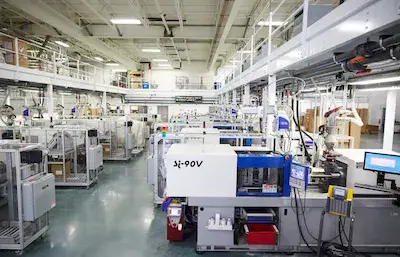
Why the Manufacturing of Plastic Components Is More Complex Than It Appears
At a glance, plastic part manufacturing may seem straightforward: design a mold, inject material, and produce parts at scale. In reality, each step involves variables that directly impact performance, cost, and reliability.
Key factors include:
-
- Material selection based on strength, flexibility, and environmental conditions
-
- Mould design accuracy and tool life
-
- Process control during injection molding
-
- Post-molding operations such as assembly or finishing
If any one of these elements is poorly managed, defects and delays can become routine. For businesses relying on consistent output, especially OEMs and consumer product startups, these issues compound quickly.
Common Challenges Faced by Startups, OEMs, and Industrial Manufacturers
Most production problems don’t come from a single failure. They emerge from gaps in planning, execution, or communication across the supply chain.
Some of the most common challenges include:
-
- Quality inconsistencies: Variations in dimensions, surface finish, or strength between batches
-
- Unreliable suppliers: Vendors who struggle to meet timelines once volumes increase
-
- Poor communication: Delayed updates, unclear specifications, or misunderstandings during revisions
-
- Lack of process documentation: Making it difficult to repeat success or scale production
-
- IP and design risks: Insufficient protection for proprietary product designs
These challenges are especially common when manufacturing partners focus only on production output, rather than the full lifecycle of the product.
The Role of Injection Molding in Scalable Plastic Component Manufacturing
Injection molding remains one of the most reliable and scalable methods for the manufacturing of plastic components. When executed correctly, it offers repeatability, efficiency, and cost control at higher volumes.
Key advantages of injection molding include:
-
- High dimensional accuracy
-
- Consistent quality across large production runs
-
- Compatibility with a wide range of thermoplastics
-
- Ability to integrate complex geometries and fine details
However, these benefits depend heavily on the quality of mould design and process control. Poorly designed tools or unoptimized parameters can lead to warping, sink marks, short shots, or premature tool failure.
Why Mould Design Is the Foundation of Quality
Mould design is often underestimated, yet it determines a large percentage of the final part’s quality. A well-designed mould considers not only the part geometry but also material flow, cooling efficiency, and ease of maintenance.
Good mould design practices include:
-
- Uniform wall thickness to reduce stress and defects
-
- Proper gate and runner placement for balanced filling
-
- Effective cooling channels to maintain cycle consistency
-
- Design for manufacturability (DFM) reviews before tool cutting
For OEMs and industrial manufacturers, investing time in mould design upfront reduces long-term costs and minimizes production disruptions.
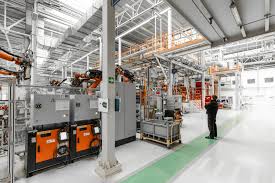
Structured OEM Manufacturing: What It Really Means
Structured OEM manufacturing goes beyond simply producing parts to specification. It focuses on building reliable systems that support consistency, transparency, and long-term collaboration.
A structured approach typically includes:
-
- Clearly documented processes and quality standards
-
- Defined communication channels and response timelines
-
- Regular production and quality reporting
-
- Controlled change management for design updates
-
- Traceability for materials and batches
This structure is particularly valuable for companies planning to scale, as it reduces dependency on individual operators and creates predictable outcomes.
Solving Quality Issues Through Process Control
Quality problems rarely disappear on their own. They require deliberate process control and monitoring at each stage of manufacturing.
Effective quality management in injection molding involves:
-
- Incoming material inspection
-
- First article inspection (FAI) after tool trials
-
- In-process checks during production runs
-
- Final inspection before dispatch
By embedding these checks into the workflow, manufacturers can catch deviations early, rather than reacting after defective parts reach assembly or customers.
The Importance of Clear and Fast Communication
One of the most overlooked aspects of manufacturing partnerships is communication. Even technically capable suppliers can become difficult to work with if updates are slow or unclear.
Clear communication helps by:
-
- Reducing misunderstandings around specifications
-
- Speeding up design iterations and approvals
-
- Allowing faster responses to production issues
-
- Building trust between teams
For startups and OEMs, this transparency is essential when timelines are tight and changes are frequent.
IP Protection and Long-Term Stability
For product-driven companies, intellectual property is often their most valuable asset. Manufacturing partners must respect and protect proprietary designs, especially when molds and tooling are involved.
Best practices for IP protection include:
-
- Clear agreements around tool ownership
-
- Controlled access to design files
-
- Secure data handling processes
At the same time, long-term production stability ensures that once a product is validated, it can be produced consistently for years without frequent supplier changes.
Where Injection Molding Services Fit Into the Solution
A well-rounded injection molding service supports the entire journey—from mould design to injection molding and final assembly. When aligned with structured OEM manufacturing principles, it becomes a practical solution to many common production challenges.
Such services typically help by:
-
- Translating design intent into manufacturable components
-
- Maintaining consistent quality across batches
-
- Supporting both pilot runs and full-scale production
-
- Acting as a long-term manufacturing partner, not just a vendor
The focus remains on process reliability rather than one-time delivery.
Practical Tips for Choosing the Right Manufacturing Partner
When evaluating partners for the manufacturing of plastic components, consider more than just price.
Key questions to ask include:
-
- Do they provide design and DFM feedback?
-
- How do they manage quality and documentation?
-
- What is their approach to communication and reporting?
-
- Can they support scaling volumes over time?
These factors often matter more than short-term cost savings.
Conclusion: Building Reliable Plastic Component Manufacturing
The manufacturing of plastic components is not just a technical process—it’s a system that directly affects product quality, timelines, and business growth. For consumer product startups, OEMs, and industrial manufacturers, the real challenge lies in finding stability amid complexity.
By focusing on strong mould design, controlled injection molding processes, clear communication, and structured OEM manufacturing, many common problems can be avoided. Injection molding services, when integrated thoughtfully into this approach, become a reliable foundation rather than a recurring risk.
As you plan your next product or scale an existing one, it’s worth exploring educational resources and manufacturing partners who prioritize process, transparency, and long-term collaboration. These choices often make the difference between constant firefighting and confident growth.